.png)
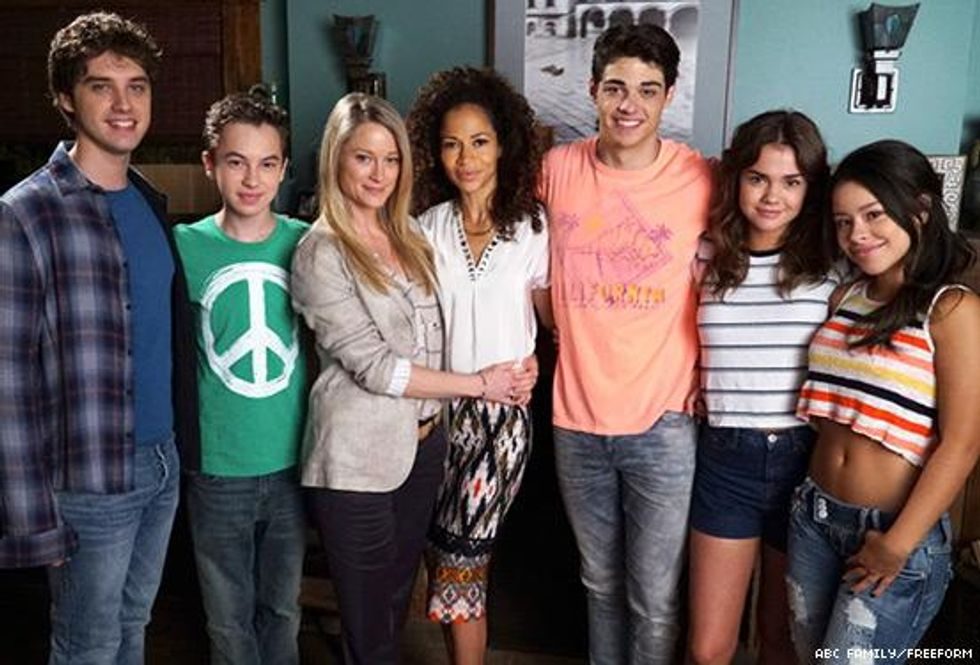
The Fosters Store: How the TV Show Redefines Modern Family
The hit drama The Fosters has been praised for its fresh take on what a family looks like today. From its first episode, the series dove into the lives of a multi‑ethnic, multigenerational household, challenging viewers to rethink traditional roles. While the show itself garners strong ratings, its influence stretches beyond the screen—fans now flock to The Fosters Store for exclusive apparel, books, and charitable collaborations that celebrate the show’s core messages. In this blog, we explore how the series redefines modern family, why its storytelling resonates, and what the growing fan‑driven marketplace reveals about contemporary culture.
Breaking Stereotypes: The Fosters Store and Representation
One of the most striking aspects of The Fosters is its commitment to representation. The show centers a lesbian couple raising a blended family of biological, adopted, and foster children. By foregrounding LGBTQ+ parents, the series dismantles long‑standing media tropes that often marginalize queer families. This progressive portrayal has sparked a wave of merchandise that reflects the same values, with The Fosters Store offering T‑shirts and accessories that proudly display inclusive slogans. Consumers wearing these items become walking ambassadors for the show’s message, signaling that diverse families deserve visibility and acceptance.
The store’s curated collections also highlight the characters’ cultural backgrounds—Latinx heritage, African‑American roots, and more. Each piece is designed with care, ensuring that the aesthetics echo the authentic experiences portrayed on screen. By translating on‑screen diversity into tangible products, The Fosters Store helps fans internalize the lesson that family isn’t defined by a single narrative, but by love, commitment, and shared journeys.
Complex Family Dynamics on Screen
Beyond representation, the series excels at depicting the everyday challenges families face. From teen rebellion and identity crises to financial strains and legal battles, the show presents realistic conflicts that many households recognize. The characters are layered: Stef and Lena navigate the pressures of parenting while maintaining their own relationship; call‑out moments such as Brandon’s struggle with a chronic illness or Callie’s search for a biological mother illustrate vulnerability and resilience.
These storylines invite viewers to reflect on their own family dynamics. By witnessing the characters negotiate disagreements, the series models healthy communication strategies. The emotional honesty in each episode encourages audiences to discuss topics that might otherwise stay hidden—mental health, adoption trauma, and the complexities of blended family structures—thereby fostering broader societal dialogue.
Authentic Storytelling and Social Issues
What truly sets The Fosters apart is its willingness to tackle pressing social issues head‑on. Episodes have addressed topics like immigration, racial profiling, and gender identity with nuance and compassion. The show’s writers often consult experts and community activists, ensuring that portrayals remain respectful and accurate. This dedication to authenticity grants the series credibility, positioning it as a catalyst for awareness and change.
Audiences have responded enthusiastically, turning to the show’s online platforms for resources and support. The Fosters Store amplifies this impact by allocating a portion of its proceeds to partner charities focused on child welfare and LGBTQ+ rights. In doing so, the store transforms fan enthusiasm into actionable contributions, reinforcing the idea that media can inspire real‑world progress.
Legacy and Influence on Modern Television
Since its debut, The Fosters has inspired a new generation of television creators to prioritize inclusive narratives. Networks now green‑light series that feature non‑traditional families, recognizing both critical acclaim and commercial viability. The success of the show demonstrates that audiences crave authenticity over stereotypical portrayals, prompting producers to invest in diverse writers’ rooms and casting.
Moreover, the synergy between the show and its merchandise platform illustrates a modern marketing model where content and commerce co‑exist. The Fosters Store acts as a community hub, offering fans a space to connect, share stories, and support causes championed by the series. This integrated approach not only sustains fan engagement but also cements the show’s cultural footprint for years to come.
In conclusion, The Fosters has reshaped our understanding of family by championing inclusivity, authenticity, and social responsibility. Its influence extends beyond the television screen, resonating through a vibrant fan community and a purpose‑driven marketplace. As The Fosters Store continues to grow, it serves as a tangible reminder that modern families—regardless of structure or background—deserve celebration and support. The series proves that when storytelling reflects reality, it can both entertain and empower, paving the way for a richer, more compassionate cultural landscape.