.png)
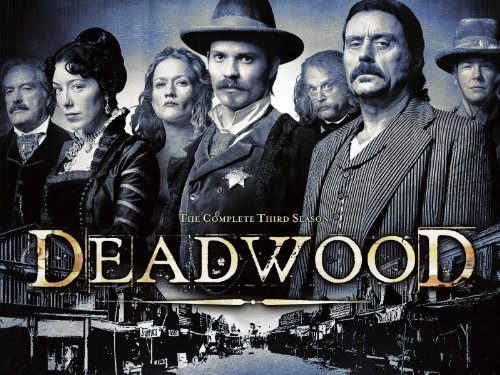
Deadwood Store Revealed: Inside the Gritty TV Drama
When the Dusty Creek television series burst onto screens, fans were instantly drawn to the raw, unfiltered world of an Old West frontier town. At the heart of that world sits the infamous Deadwood Store, a place where power, profit, and peril collide. This blog takes you behind the swinging doors, revealing the gritty drama that makes the store a character in its own right. From its historic roots to the modern storytelling techniques that bring it to life, discover why the Deadwood Store remains a must‑watch centerpiece of the series.
The Deadwood Store: A Hub of Lawlessness and Commerce
The store is more than just a mercantile—it's a bustling arena where townsfolk barter, gossip, and sometimes gamble with their lives. In early episodes, the owner, Silas McGinn, uses the register as a weapon, slipping crates of contraband under the counter while keeping a watchful eye on the sheriff. This duality of legitimate trade and hidden vice fuels much of the show’s tension.
Screenwriters cleverly weave real historical details into the store’s layout. Shelves stocked with period‑accurate canned goods, a backroom filled with revolvers, and a dusty ledger that records every transaction provide visual authenticity. Audiences notice those small touches, making the shop feel lived‑in rather than staged.
One of the most memorable scenes features a heated standoff at the store’s front door, where a band of outlaws attempts a robbery that spirals into a full‑blown shootout. The chaos highlights the store’s role as a pressure cooker for the town’s moral dilemmas, where survival often depends on quick thinking and razor‑sharp wit.
Character Arcs Anchored to the Store
Many characters’ journeys are intimately tied to the Deadwood Store. For instance, newcomer Emma Doyle arrives as a timid clerk, but the store’s dangerous atmosphere pushes her to evolve into a pragmatic negotiator. Her transformation mirrors the town’s own struggle between civilization and anarchy.
Meanwhile, veteran bartender Tom “Two‑Shot” Jensen frequents the store not just for whiskey, but for the whispered secrets that pass between the aisles. His allegiance shifts with each revelation, making the shop a barometer for shifting loyalties. This clever use of setting adds depth without the need for exposition.
The store also serves as a meeting ground for unlikely alliances. In a surprising twist, a former outlaw and a law‑abiding farmer join forces to expose a corrupt mining operation, using the store’s ledger as evidence. That scene demonstrates how a simple piece of furniture can become a catalyst for justice.
Production Secrets: Bringing the Store to Life
Behind the camera, the set designers faced the challenge of recreating a realistic 1880s storefront on a soundstage. They sourced genuine wooden planks, period‑appropriate signage, and even sourced antique cash registers that still clanked when used. These tangible elements helped actors immerse themselves in the world, resulting in more authentic performances.
Lighting plays a crucial role too. The show often uses low, amber‑tinted lighting inside the store to evoke a sense of mystery and danger. Shadows stretch across the aisles, hinting at hidden dangers lurking behind every crate. This visual storytelling reinforces the store’s reputation as a place where every transaction could turn deadly.
Music cues further amplify the atmosphere. A low, humming banjo theme underscores tense negotiations, while a sudden burst of percussion signals a looming fight. By aligning audio with visual details, the creators ensure that the Deadwood Store remains unforgettable to viewers.
Impact on Popular Culture and Fan Communities
Since its debut, the Deadwood Store has sparked countless discussions across forums, fan art sites, and cosplay gatherings. Fans recreate the store’s interior in virtual reality mods, allowing newcomers to explore its history before watching the series. This interactive engagement showcases the store’s lasting appeal.
Merchandise ranging from replica ledger books to custom‑printed mugs featuring the store’s original sign has flooded online marketplaces. Collectors proudly display these items, turning a fictional location into a tangible piece of pop culture history.
Critics have praised the show for using the store as a microcosm of broader societal themes, such as greed, redemption, and the fight for justice. By focusing storytelling on a single, richly detailed setting, the series proves that depth can be achieved without sprawling set pieces.
In conclusion, the Deadwood Store stands as a testament to how a single location can shape narrative, character, and audience experience. Its gritty realism, layered storytelling, and meticulous production design invite viewers into a world where every shelf tells a story and every transaction could change the town’s destiny. Whether you’re a longtime fan or a newcomer, stepping inside the Deadwood Store is an invitation to witness the raw heart of frontier drama—one that continues to captivate and inspire.